In the spirit of moving and relocation here is May's Month of Meals.
Week 1 is brought to you by Neil. I've spent the better part of my life lecturing Neil on how and what to eat. His creativity impresses and inspires me. For someone that could easily eat out all the time, his choices to prepare foods at home impresses. I'm proud of you Neil.
I highly recommend the pizza method. To go with all the falafel that keeps showing up on month after month of meals we started baking our own pita bread around here. Oh, and go and check out my friend Stephanie's awesome Etsy shop.

Showing posts with label meal planning. Show all posts
Showing posts with label meal planning. Show all posts
May 1, 2012

April 1, 2012
April MoMe
Here's April's Month of Meals.
Here's a screen grab, hit the link above for the online doc.

Last month was mixed in with half the meals featured for April and last month's. I like the variety. I hope you do too. April's MoMe has many unlinked meals. Many meals have been thrown together without needing a recipe. Here are my thoughts/approaches on it, numbers coordinate with meals on the shared monthly meals:
2. Asparagus frittata; I use a recipe from my Deborah Madison cookbook which I've never blogged. Any frittata recipe that you like would be good. I finish some of it on the stovetop then put it in the oven to finish. Here's what it has looked like:

6. Moroccan tagine with baked eggplant slices. There are a lot of good tagine recipes online. I like lots of veggies and beans served over rice or couscous. It just depends on what I have on hand. Slice eggplants lengthwise, drizzle with oil, and sprinkle with cumin, mint, and salt (I was gifted with a lovely Moroccan spice blend) and those are the main flavors. You can bake the tagine and eggplant at the same time. I love multi-tasking.
7. Pan-seared portobellos with wilted garlic spinach and goat cheese. Another throwing it together meal. I marinaded portobellos in balsamic vinegar and olive oil. I put them on a hot cast-iron pan. Meanwhile, I wilt down washed spinach and chop up garlic. As soon as the mushrooms are done cooking (reduced, cooked, and looking nicely sauteed) I throw in the garlic to soak up the sauce and cook the garlic a bit. Serve the mushrooms with some spinach and goat cheese. Easy!
12. Beets in brown-butter sauce with chard-mushroom cream pasta. I made this dish from a variation of the link I posted along with it. For the beets, I browned butter, set it aside once it was done, and cubed up some beets and cooked them on low-medium heat in a cast iron while I assembled the pasta. It took a lot longer because of prepping the chard and mushroom. A fancy meal, give yourself an hour:

13. Oven-eggs with oats and mustardy brussels sprouts. Oats are so good when served savory. In oven-proof custard cups, drizzle a bit of olive oil and crack an egg on top; crumble blue cheese on top, and top with tomato sauce or salsa. Place in oven while sprouts are cooking at 220º C/ 420º F; cook up some plain oatmeal. Serve the egg on top with everything. Clean and quarter Brussels sprouts. Place them in a pan with an almost naked drizzle of olive oil. Bake them along with the custard cups (props if you can use the same pan). Stir together a bit of olive oil, white wine vinegar and some water, and add capers and mustard. Roast the brussels sprouts for 20 minutes and then cover with mustard sauce, continue cooking 10 minutes. Whole grains. check. Veggies, check, healthy protein, check. Minimal processed foods, check.
15. Stuffed bell peppers. One of five of Karlos' signature dishes. This turns out so good each time. He stir fries onions, mushrooms, garlic, and whatever we have on hand. He seasons with Indian spices, sometimes Italian, and this time with Moroccan spices. He adds beans to the mixture and smashes everything together with cream cheese or sour cream. He spoons them into cut bell peppers and bakes them. He cooks rice while the bell peppers bake (about 40 minutes baking at 180º C/ 350ºF). Prep usually takes 15 minutes or less.
17. Eggie sammiches. I hardboil 6 eggs, peel them once cool, and dump them into a bowl. To this bowl I add yogurt (I never ever add mayo, this is just how I roll), mustard, chopped capers, green onions or red onions, salt and pepper, and finely minced parsley. Mash, mash, taste, adjust, and serve.
20. Semi-sunny side up eggs. I hate runny yolks. Heat up some olive oil in a cast-iron pan. To the pan add chopped herbs, and red chili flakes, and some fresh or dried garlic. Crack the eggs on top of the herbs. Season with fresh pepper. Turn the heat to low and let the eggs cook until the yolks begin to get the white coating on top. Sprinkle with some water. Add whole cherry tomatoes to the pan, and cover for as long until the yolks set. I flip them, but you don't have too. Serve on top of toasted whole grain bread along with the hot tomatoes.
Here's a screen grab, hit the link above for the online doc.

Last month was mixed in with half the meals featured for April and last month's. I like the variety. I hope you do too. April's MoMe has many unlinked meals. Many meals have been thrown together without needing a recipe. Here are my thoughts/approaches on it, numbers coordinate with meals on the shared monthly meals:
2. Asparagus frittata; I use a recipe from my Deborah Madison cookbook which I've never blogged. Any frittata recipe that you like would be good. I finish some of it on the stovetop then put it in the oven to finish. Here's what it has looked like:
6. Moroccan tagine with baked eggplant slices. There are a lot of good tagine recipes online. I like lots of veggies and beans served over rice or couscous. It just depends on what I have on hand. Slice eggplants lengthwise, drizzle with oil, and sprinkle with cumin, mint, and salt (I was gifted with a lovely Moroccan spice blend) and those are the main flavors. You can bake the tagine and eggplant at the same time. I love multi-tasking.
7. Pan-seared portobellos with wilted garlic spinach and goat cheese. Another throwing it together meal. I marinaded portobellos in balsamic vinegar and olive oil. I put them on a hot cast-iron pan. Meanwhile, I wilt down washed spinach and chop up garlic. As soon as the mushrooms are done cooking (reduced, cooked, and looking nicely sauteed) I throw in the garlic to soak up the sauce and cook the garlic a bit. Serve the mushrooms with some spinach and goat cheese. Easy!
12. Beets in brown-butter sauce with chard-mushroom cream pasta. I made this dish from a variation of the link I posted along with it. For the beets, I browned butter, set it aside once it was done, and cubed up some beets and cooked them on low-medium heat in a cast iron while I assembled the pasta. It took a lot longer because of prepping the chard and mushroom. A fancy meal, give yourself an hour:
13. Oven-eggs with oats and mustardy brussels sprouts. Oats are so good when served savory. In oven-proof custard cups, drizzle a bit of olive oil and crack an egg on top; crumble blue cheese on top, and top with tomato sauce or salsa. Place in oven while sprouts are cooking at 220º C/ 420º F; cook up some plain oatmeal. Serve the egg on top with everything. Clean and quarter Brussels sprouts. Place them in a pan with an almost naked drizzle of olive oil. Bake them along with the custard cups (props if you can use the same pan). Stir together a bit of olive oil, white wine vinegar and some water, and add capers and mustard. Roast the brussels sprouts for 20 minutes and then cover with mustard sauce, continue cooking 10 minutes. Whole grains. check. Veggies, check, healthy protein, check. Minimal processed foods, check.
15. Stuffed bell peppers. One of five of Karlos' signature dishes. This turns out so good each time. He stir fries onions, mushrooms, garlic, and whatever we have on hand. He seasons with Indian spices, sometimes Italian, and this time with Moroccan spices. He adds beans to the mixture and smashes everything together with cream cheese or sour cream. He spoons them into cut bell peppers and bakes them. He cooks rice while the bell peppers bake (about 40 minutes baking at 180º C/ 350ºF). Prep usually takes 15 minutes or less.
17. Eggie sammiches. I hardboil 6 eggs, peel them once cool, and dump them into a bowl. To this bowl I add yogurt (I never ever add mayo, this is just how I roll), mustard, chopped capers, green onions or red onions, salt and pepper, and finely minced parsley. Mash, mash, taste, adjust, and serve.
20. Semi-sunny side up eggs. I hate runny yolks. Heat up some olive oil in a cast-iron pan. To the pan add chopped herbs, and red chili flakes, and some fresh or dried garlic. Crack the eggs on top of the herbs. Season with fresh pepper. Turn the heat to low and let the eggs cook until the yolks begin to get the white coating on top. Sprinkle with some water. Add whole cherry tomatoes to the pan, and cover for as long until the yolks set. I flip them, but you don't have too. Serve on top of toasted whole grain bread along with the hot tomatoes.
February 29, 2012
March MoMe
Here is the Month of Meals for March. I'm sorry the links for the png below won't load! =/ They are active on the pdf version.

I’ve gotten a lot of positive feedback from my friends that have used this and they often remark that I’m organized to plan things for an entire month. I would like confess that although I use this as a framework for meals, I often venture out and try new things, and switch up meals regularly. The grocery lists help me to buy things and make healthy meals. So, Holly, use this as a tool for long-term planning, and feel free to deviate from it.
Personally, while I have used this it’s helped me see how much cheese I eat! While I certainly love cheese, I do think about it as a food to enjoy sparingly because of it’s high saturated fat content. With many cheeses I think less is more, and being in Europe, I love trying out new cheeses. Even the store brand feta cheese (a sheep’s milk cheese) is delicious and rich, and I need a lot less of it.
We started eating more quinoa and plattekeis (or fromage blanc, a creamy non-sour sour cream-like dairy product). Quinoa tastes perfect cooked up in some vegetable broth and served like you would rice. It’s very healthy and it complements meals, and is a great way to soak up sauces. Plattekeis tastes excellent with jam on pumpernickel bread and as a topping to pancakes along with cinnamon brown sugar pears.
I tried to combine the groceries for weeks 1 and 2, so groceries overlap nicely. The mushroom bourgignon is delicious and I’d recommend it served along with garlic bread, or quinoa. While serving it with pasta is fine, it dilutes the lovely sauce. Feel free to sub in different kinds of beans in recipes that call for them. At the end of the month, you might find that you are addicted to falafel (we ate it three times this month!).
In weeks 3 and 4, some groceries from the first part of the month will overlap. Many veggies get used up in other dishes throughout the week (e.g the beets, zucchini, chard). Trust me that you will love the cheese enchiladas recipe (holy heck the chili gravy sauce!). In Belgium, I used large wrap-flour tortillas, cut them in half, and didn’t fry them; I reduced the cheese by half. The onions are killer in the enchiladas.
Finally, since the season of spring is upon us artichokes and asparagus are making appearances at the markets. My favorite way to eat them is freshly steamed with butter. Just trim the spiny thorns off, cut the top off, rub everywhere with lemon and put it in a steamer basket for 15-20 minutes or until totally tender. Then pull the leaves off one by one.
If you end up using this, please let me know how you like it/hate it/want to see changes, or especially if you have recipe recs that you want to see on a future month. Eet smakelijk!
February 1, 2012
February MoMe
Here’s February’s MoMe; (click text to download and print).

The meal plan has a biweekly grocery list, but I figured I’d just go ahead and try and explain how I use the meal planning, and share some positive unintended outcomes. I go grocery shopping at least once per week, and sometimes more often. I hit up the fresh markets for produce, and grocery stores for most of the rest. I do this because I don’t have a lot of space to store things. I don’t like grocery shopping. It seems like a hassle, it’s time-consuming, and I’m limited to what I can carry back on my bike (saddlebags + backpack), or on foot (grocery cart + backpack + extra bags). I get sidetracked reading labels, navigating the store, waiting in line, forgetting something and having to backtrack - all in all, not much fun. Having a well-planned list forces me to buy things that I need, stick to the list, and become more aware of what I have at home. Of course, I’m currently motivated to try this out and use it, so some of these outcomes are probably biased.
With MoMe, I spend more time planning, preparing, and shopping. It's reduced the amount of time stressing over what to eat so I don't panic and pop in a frozen pizza, and provides ready-made lunches. I’ve been analyzing the food costs more closely, and it’s actually driven down our total food expenditures, without feeling deprived or sticking to a hard budget. For example, I recently bought the following to restock some pantry staples:
| 3.99 | 2 kg dried chickpeas (about 4.4 lbs) |
| 2.59 | 2 kg of dried pintos (again about 4.4 lbs) |
| .89 | ½ kg red lentils (about 1 lb) |
| 1.25 | 1 kg raw peanuts (2.2 lbs) |
| 1.30 | ½ kg whole kernel popcorn (about 1 lb) |
| 2.10 | 1 kg dried kidney beans (2.2 lbs) |
| €12.12 | Total (or $16.72 in USD) |
Canned beans are convenient, but when compared to the cost of buying raw ingredients, raw ones are cheaper. Soaking and cooking 1 cup of dried beans will double in volume to about 2 and 1/2 cups. This will prepare more food (more servings) than what is going to come out of a 14 oz can of canned beans (4oo g; which when emptied, drained, and rinsed will yield about 1 and 1/4 cups). Vegetarian ingredients (on just a weight basis) tend to be much cheaper than meats. The volume of food obtained from cooking raw beans provides more food than the original amount; the volume of food obtained from cooking raw meats is less than the original amount. In comparison, €12.00 buys around a 1 lb (2.2 kg) of boneless chicken breast, and feeds you much less frequently; although a whole chicken could be purchased and used in many other meals.
Currently, nutritional portion sizes for foods that contain protein are measured out in 1-ounce equivalents. I know, now you're wondering how much protein do I need? Chances are that you probably overeat this macronutrient. Using the term ounce-equivalents is confusing because foods that contain protein all have different values on what makes a serving/portion (I use the word serving and portion size interchangeably), and further no one measures food out this way. For example, 1/4 cup of beans is a 1 ounce-equivalent. If you checked how much you need on the online chart linked just before, you'll see that a grown woman needs around 5-5 1/2 ounce-equivalents; a man 6-6 1/2 ounce-equivalents. Dietitians use .8 g/kg - but let's forget that. If you checked the first link in this paragraph, you will have noticed the following constitutes a 1 ounce-equivalent: 1 egg, 1 ounce of meat, 1 tbsp of peanut butter, 1/2 ounce (1 handful) of nuts, and 1/4 cup of cooked beans (I'm going for simplicity, and I don't feel like including gram measurements for all of that).
Let's go further and compare what people *actually* eat out of those listed. Egg dishes such as scrambled or omelette dishes usually contain 2-3 eggs per person (can be up to 6 if you eat out) which equals between 3 and 6 ounce-equivalents. Next up, servings of meat at home are often between 3 and 5 oz, or about the size of your palm (at restaurants they are 8-16 oz, like the size of your head) - again keep in mind the ounce-equivalent. Making a peanut butter sandwich, chances are you'll opt for at least 2 tbsps; I didn't even get into other foods that contain proteins: tofu, milk, yogurt, cheese, whole-grain breads and seeds, some vegetables. It's crazy isn't it? You wonder why people are so confused about nutrition and diet. Understanding serving sizes/portion sizes is a steep learning curve, but it's among one of the best tools you can use when cooking and eating. It helps to estimate the amount of food required, it helps maintain your weight, and it ensures you're eating foods healthfully.
So inevitably you want information on the others:
Grains: foods from this group are measured in 1 ounce equivalents. Eat more whole-grain foods and less refined. Each of these is a 1 ounce equivalent: 1 slice of bread, 1 cup of ready-to-eat cereal, or ½ cup of cooked rice, cooked pasta, or cooked cereal, 1, 6” tortilla or roti.
Fruits: foods from this group are measured in cups. The following are servings: 1/2 banana, 1 cup of fresh fruit, 1/2 cup of dried fruit, and 1/2 cup 100% fruit juice. Although fruit juice counts (it shouldn't), it is healthier and recommended to consume whole fruits (fiber, nutrition, reduced spike in blood sugar, etc). Most people need to eat 2 cups of fruits daily.
Vegetables: are also measured in cups. The following measurements count towards 1 serving from the vegetable group: 2 cups raw leafy greens, 1 cup raw or cooked vegetables, and in some cases, 1/2 cup of cooked vegetables (such as cooked greens). Most people need 2-3 cup equivalents of vegetables daily.
Fruits: foods from this group are measured in cups. The following are servings: 1/2 banana, 1 cup of fresh fruit, 1/2 cup of dried fruit, and 1/2 cup 100% fruit juice. Although fruit juice counts (it shouldn't), it is healthier and recommended to consume whole fruits (fiber, nutrition, reduced spike in blood sugar, etc). Most people need to eat 2 cups of fruits daily.
Vegetables: are also measured in cups. The following measurements count towards 1 serving from the vegetable group: 2 cups raw leafy greens, 1 cup raw or cooked vegetables, and in some cases, 1/2 cup of cooked vegetables (such as cooked greens). Most people need 2-3 cup equivalents of vegetables daily.
As part of the 70% of the rest of the world that doesn't digest lactose, and questions the science behind dairy promotion in nutritional recommendations that should be promoting foods and activities that promote bone health (weight-bearing exercises, calcium, gender, race, Vitamin D and K) I'm with Harvard. They tend to synthesize nutrition information in a useful, no-nonsense practical way.
Fats: there is lots of evidence that supports the use of plant-based oils in cooking and baking, limits the use of butter, and avoids trans fats. Fats play a role in digestion and absorption, help to carry flavor, and contribute to feeling full (among many others).
I digress. Since February is still among the darker months, there are some oven-baked dishes; a creamy penne vodka can be a celebratory dish for Valentine’s day (or do a cheese and chocolate fondue night, or maybe the chickpea piccata). Gin is an acceptable substitute. An excellent aperitif are dirty martinis. I tried to pair dishes together so a meal that takes longer to prepare one evening, can be used in conjunction with the next day’s meal. Make enough pizza dough to cover two evening meals; when cooking rice, double the amount to use the next day. In week 2, the meals have cheese, so round out the week with a hearty bean and veggie chili.
Now, some picas of recipes on this month's MoMe:

Chickpea piccata [Feb MoMe]. I've tried this with arugula, spinach, and now broccoli. Always delicious.

Pizza night [Feb MoMe]; My friend Nico's homemade pizzas; I have a lot to learn.

Baked stuffed tomatoes [Feb MoMe].

Tofu tikka masala kebabs [Feb MoMe]; excellent served over rice or salad.

Pav Bhaji served in pita [Feb MoMe].

Tartiflette [Feb MoMe].
omg that was a long one wasn't it!? As always if you use this and hate or love it, please leave feedback. Until next month, happy eats y'all. I got my chickpeas soaking.
January 1, 2012
Happy New Year's and Month of Meals
In the spirit of ringing in the new year my resolutions include posting and sharing a years worth of month of meals (MoMe), and catching up on old trip and travel pictures.
MoMe will feature four weeks and five days of evening meals, including prep work to bring your week of meals to the table, and a featured grocery list of things to purchase. This assumes the most basics of basics, and that is having a well-stocked pantry to build your meals. Five meals is a good starting point. Something always comes up. With a bit of pre-planning leftovers from five planned meals is a great starting point. I cook daily. After two years of cooking breakfasts, lunches, and dinners daily, I have found that five meals stretches to cover leftovers without wasting raw ingredients.
I read a lot of food blogs (cookbooks, cooking magazines, and watch cooking TV shows). Some I check daily, others I find by searching for meals. MoMe will feature links to recipes. If you’ve got a good idea, please share it. If you use this, and it helps you become more efficient putting together meals and becoming a better cook, please leave a comment. I love feedback.
MoMe will feature four weeks and five days of evening meals, including prep work to bring your week of meals to the table, and a featured grocery list of things to purchase. This assumes the most basics of basics, and that is having a well-stocked pantry to build your meals. Five meals is a good starting point. Something always comes up. With a bit of pre-planning leftovers from five planned meals is a great starting point. I cook daily. After two years of cooking breakfasts, lunches, and dinners daily, I have found that five meals stretches to cover leftovers without wasting raw ingredients.
I read a lot of food blogs (cookbooks, cooking magazines, and watch cooking TV shows). Some I check daily, others I find by searching for meals. MoMe will feature links to recipes. If you’ve got a good idea, please share it. If you use this, and it helps you become more efficient putting together meals and becoming a better cook, please leave a comment. I love feedback.
Here's January's Month of Meals (download or print here):


May 2, 2011
Month of Meals: May 2011
I've written extensively on the benefits of meal-planning on your health, your wallet, and the ability to try new foods. I had been planning weekly meals and decided to put this together (and hopefully improve it some).
The extra prep column is meant to be for tasks that can be performed a day ahead of time (such as planning to soak and cook beans - a vital food to vegetarians, or could be used to prep veggies that can be used later in the week. In this way, soak beans in plenty of water, leave them out all day, and then cook them when you get home as you start prepping dinner. You can cook a bit batch of them and use them in meals the rest of the week. The list of meals can help you grocery shop and reduce purchasing things you already own. Include kids and other family members by getting input on what to eat. To find recipes, I use cookbooks, blogs, magazines, or try to recreate several meals that I enjoy in restaurants.
Lettuce and fresh greens based salads are easy tasty ways to include more servings of veggies without much effort. I usually add nuts, radishes, chopped tomatoes, onions, or peppers and toss with some olive oil and vinegar (e.g. a fig or raspberry vinegar). Planned meals can help you try new foods, or help you include servings of foods from food groups that may not make it on your dish every day.
If you stray from this (as often one does) just get back to it. This is a general framework that has helped me buy groceries, balance my budget, utilize the pantry, try new foods, and overall plan meals so I don't have to spend much time thinking about it during the week.
I've included links to the recipes I used; I will update with a pdf once I figure that out. Don't hesitate to let me know how I can improve this (or what your thoughts are). and p.s: I didn't know I could publish spreadsheets through Google Docs! How cool!
The extra prep column is meant to be for tasks that can be performed a day ahead of time (such as planning to soak and cook beans - a vital food to vegetarians, or could be used to prep veggies that can be used later in the week. In this way, soak beans in plenty of water, leave them out all day, and then cook them when you get home as you start prepping dinner. You can cook a bit batch of them and use them in meals the rest of the week. The list of meals can help you grocery shop and reduce purchasing things you already own. Include kids and other family members by getting input on what to eat. To find recipes, I use cookbooks, blogs, magazines, or try to recreate several meals that I enjoy in restaurants.
Lettuce and fresh greens based salads are easy tasty ways to include more servings of veggies without much effort. I usually add nuts, radishes, chopped tomatoes, onions, or peppers and toss with some olive oil and vinegar (e.g. a fig or raspberry vinegar). Planned meals can help you try new foods, or help you include servings of foods from food groups that may not make it on your dish every day.
If you stray from this (as often one does) just get back to it. This is a general framework that has helped me buy groceries, balance my budget, utilize the pantry, try new foods, and overall plan meals so I don't have to spend much time thinking about it during the week.
I've included links to the recipes I used; I will update with a pdf once I figure that out. Don't hesitate to let me know how I can improve this (or what your thoughts are). and p.s: I didn't know I could publish spreadsheets through Google Docs! How cool!
March 31, 2011
Weekly Meal Planner
Do you plan meals? If so, what, why, and how?
I want to introduce you this weekly meal planner. I like planning meals - it means I'll eat well. I was using this guy all the time. I would write small notes on it so I knew to prep extra veggies, or to soak beans, or pull things out of the freezer). It made grocery shopping and meal planning easier tasks. While it saved time, it saved money too because I was able to plan meals around foods I had purchased (reducing food waste, and at times allowing me to increase or double batches of certain foods for meals later in the week).
I'm always looking for creative ways to change things up - including new foods to try. I have heard from friends that have shared Google docs for meals, freezer contents (sound familiar, Nico?), to friends that meal swap once per week. I have a shared doc for pantry items and cellar contents (we have accumulated a fine collection of Belgian brews). I want/need an app for telling me what I have at home, what needs replacing, and what we have enough of (to avoid too many bulk purchases) - linked google doc? I'm smartphone-less and dataplan-less, so I'm thinking of something that can be implementable, user-friendly, and cheap. I find the old-fashioned way meets all these needs, and I'm still a sucker for checking out cookbooks, reading through cooking mags, and perusing foodgawker.
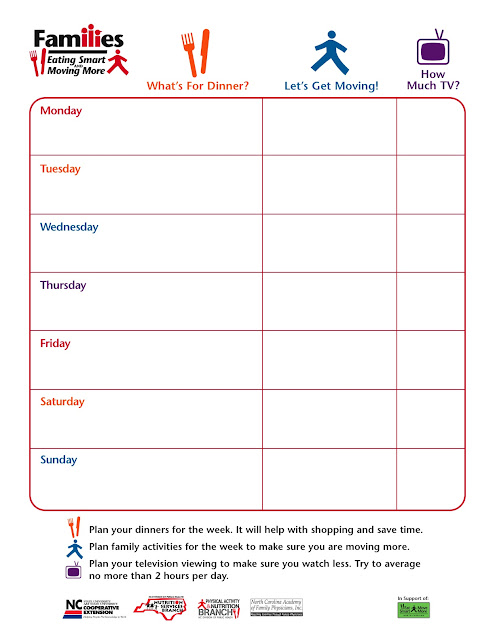
I want to introduce you this weekly meal planner. I like planning meals - it means I'll eat well. I was using this guy all the time. I would write small notes on it so I knew to prep extra veggies, or to soak beans, or pull things out of the freezer). It made grocery shopping and meal planning easier tasks. While it saved time, it saved money too because I was able to plan meals around foods I had purchased (reducing food waste, and at times allowing me to increase or double batches of certain foods for meals later in the week).
I'm always looking for creative ways to change things up - including new foods to try. I have heard from friends that have shared Google docs for meals, freezer contents (sound familiar, Nico?), to friends that meal swap once per week. I have a shared doc for pantry items and cellar contents (we have accumulated a fine collection of Belgian brews). I want/need an app for telling me what I have at home, what needs replacing, and what we have enough of (to avoid too many bulk purchases) - linked google doc? I'm smartphone-less and dataplan-less, so I'm thinking of something that can be implementable, user-friendly, and cheap. I find the old-fashioned way meets all these needs, and I'm still a sucker for checking out cookbooks, reading through cooking mags, and perusing foodgawker.

P.S. If you end up printing and using this - you can stick it in a binder slip sheet to use with an erasable marker. Just post on the fridge (the originals are laminated, come with an erasable marker, and magnets to go up on the fridge). I'm sorry about the bad paragraph spacing. I don't understand why Blogger's template can be so difficult to type in at times. I just import all my docs over from NeoOffice or Google Docs.
September 10, 2010
Week of Meals
The last post of a Week of Meals was cluttered and long. I like the idea of weekly meals, so I'll only share what the week holds. Recipes will follow later. Cheers!
Week of Meals:
Day 1: Channa saag and wild rice mix
Day 2: Tofu satay lettuce wraps with ginger mushroom basil soup
Day 3: Fettuccine with parmesan reggiano with an arugula salad
Day 4: Tempeh jerk wings with coleslaw
Day 5: Cheese tortellini with tomato basil soup
Day 6: Butternut squash galette with an arugula salad
Week of Meals:
Day 1: Channa saag and wild rice mix
Day 2: Tofu satay lettuce wraps with ginger mushroom basil soup
Day 3: Fettuccine with parmesan reggiano with an arugula salad
Day 4: Tempeh jerk wings with coleslaw
Day 5: Cheese tortellini with tomato basil soup
Day 6: Butternut squash galette with an arugula salad
January 29, 2009
Kitchen Basics for Easy Cooking
A well-organized kitchen can help you cook more efficiently by simply knowing where things are located. Take a visual map of your kitchen. Are cooking utensils and pot holders near a cooking range? Do you know what’s inside your pantry? Are mixing bowls and measuring cups easy to locate? Re-thinking your kitchen workspace can save you precious minutes in recipe prep.
Here are a few organizational tips that are tried and true.
1. Be smart about storage space. Cabinets can store dishes, cups and bowls. They can also store foods that you cook with often. Keep like ingredients together. Canned beans, tomatoes and vegetables can be organized together. Dried pastas and beans can be stored near each other. Spices can be alphabetized for convenience. If you have pantry space, try to keep daily items (pasta sauce, rice, flours) at eye-level. Keep a wipe-off board or chalkboard to keep track of what you need to replace.
2. Use your countertops. Store daily items on the counter. This will ensure that you use them and save time in the morning. The toaster, can opener, blender, and food processor will be ready when you use them and you don’t have to find storage space. Daily food items can also be stored in attractive containers. Beans or pastas in canisters, bread in a bread box, fruit in a fruit bowl.
3. Eliminate junky drawers. Plastic or wood organizers make silverware and kitchen gadgets easy to find all the time. Cooking or baking cooking utensils can be stored in a canister or drawer next to the stovetop.
4. First in, first out. Try to use items in the order they were bought. This common sense skill will save many foods from spoiling, re-buying the same foods, or creating multiple containers of the same food. Refrigerators can store a large amount of food. Take advantage of pre-organized areas in the fridge: produce drawers, meat and cheese drawers, butter and margarine drawers and side-door storage. Keep frequently used items in areas that are easy to reach. You may want to separate your fridge into four or more areas: beverages, dairy, proteins, produce and leftovers. Try to use items in the order they were bought, first in, first out.
5. Clean it up. Wipe down counters, stovetops and tabletops daily. This helps keep your kitchen in working order the rest of the week.
Here are a few organizational tips that are tried and true.
1. Be smart about storage space. Cabinets can store dishes, cups and bowls. They can also store foods that you cook with often. Keep like ingredients together. Canned beans, tomatoes and vegetables can be organized together. Dried pastas and beans can be stored near each other. Spices can be alphabetized for convenience. If you have pantry space, try to keep daily items (pasta sauce, rice, flours) at eye-level. Keep a wipe-off board or chalkboard to keep track of what you need to replace.
2. Use your countertops. Store daily items on the counter. This will ensure that you use them and save time in the morning. The toaster, can opener, blender, and food processor will be ready when you use them and you don’t have to find storage space. Daily food items can also be stored in attractive containers. Beans or pastas in canisters, bread in a bread box, fruit in a fruit bowl.
3. Eliminate junky drawers. Plastic or wood organizers make silverware and kitchen gadgets easy to find all the time. Cooking or baking cooking utensils can be stored in a canister or drawer next to the stovetop.
4. First in, first out. Try to use items in the order they were bought. This common sense skill will save many foods from spoiling, re-buying the same foods, or creating multiple containers of the same food. Refrigerators can store a large amount of food. Take advantage of pre-organized areas in the fridge: produce drawers, meat and cheese drawers, butter and margarine drawers and side-door storage. Keep frequently used items in areas that are easy to reach. You may want to separate your fridge into four or more areas: beverages, dairy, proteins, produce and leftovers. Try to use items in the order they were bought, first in, first out.
5. Clean it up. Wipe down counters, stovetops and tabletops daily. This helps keep your kitchen in working order the rest of the week.
Subscribe to:
Posts (Atom)